Why Your Toilet Keeps Running
Water going where it should not is the only reason a toilet keeps running. Three faults send it there: a fill valve that never shuts, a leaking seal under the flush button, or a water level above the overflow. This guide for Everton Park homes covers the signs, a colour test you can run tonight, and the line between owner work and licensed work.
If we're late, $100 comes off your bill

- Licensed and InsuredEvery job done by a licensed plumber. QBCC No: 15024607
- Fixed Quote FirstFlat-rate pricing, agreed before any work starts
- Lifetime Labour WarrantyBacked by our Fix-It-or-It's-Free guarantee (T&Cs apply)
- $0 Call-Out FeesNo extra charge for nights, weekends or public holidays

Everton Park Plumbing Services is QBCC licensed, and every job is done by a licensed plumber. Housing here spans the 1960s-1980s brick build through to units added since the 2000s, so cisterns on one street range from decades-old originals to fresh infill fittings.
The Three Causes of a Running Toilet
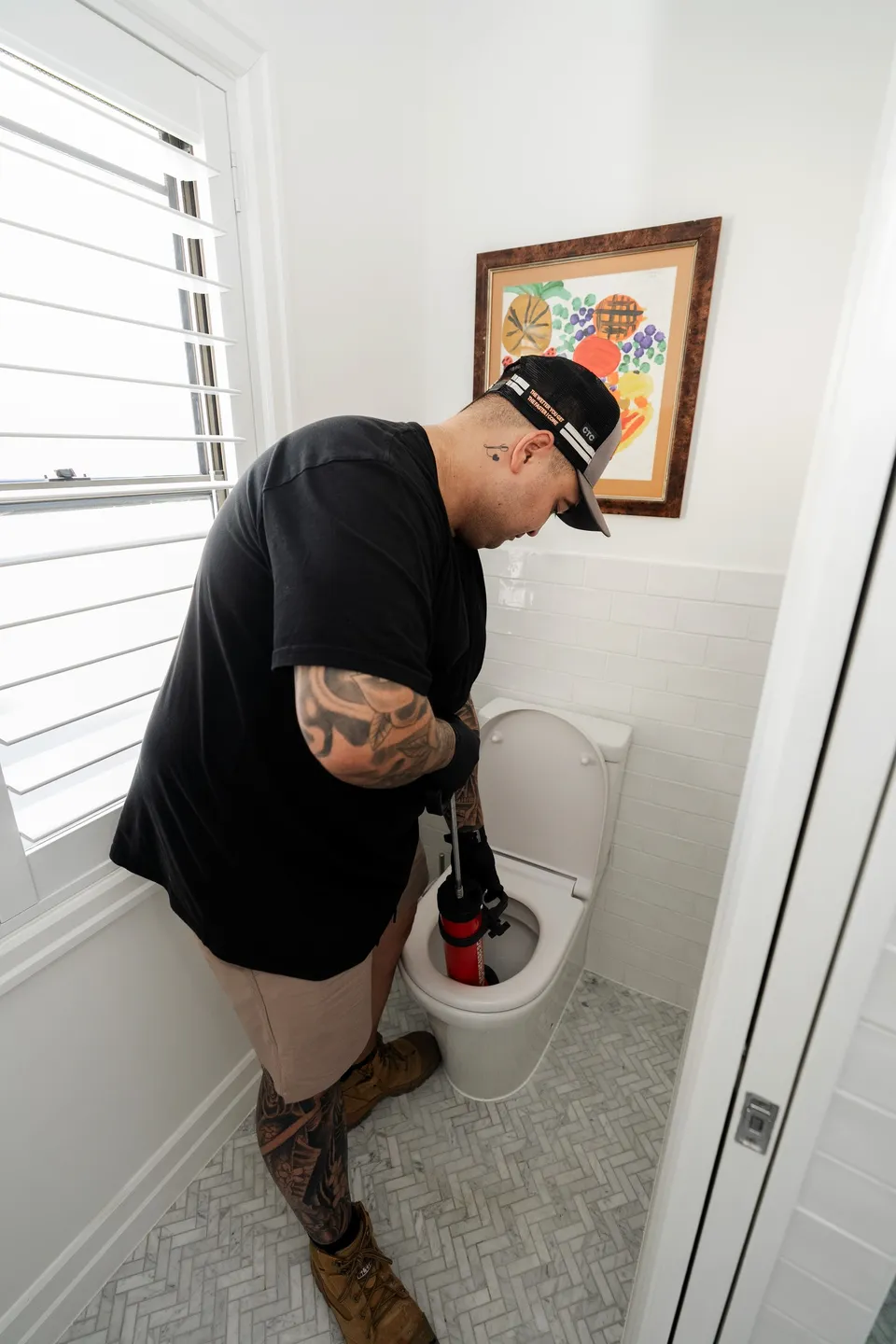
Three faults sit behind almost every running cistern: an inlet valve stuck open, a worn flush seal dribbling water into the pan, plus a water level above the overflow.
Each one announces itself differently:
Inlet valve
After a flush, this valve refills the cistern and closes when the float reaches its mark. A hiss or trickle that keeps going after the cistern has filled points to a valve that is not closing.
Flush valve seal
Between flushes, this seal keeps the cistern full. When it wears, water slips past into the pan, the cistern refills itself every few minutes, and the loo runs with nobody touching the button.
Overflow
The overflow is a built-in outlet that carries surplus water away instead of letting it spill onto the floor. When the fill valve stays open or the float sits high, the level climbs to that outlet and runs out through it.
Listen once the cistern has filled. A steady hiss means the fill valve; a cistern topping itself up means the seal.

Slow, Partial or No Refill After a Flush
When a cistern will not fill properly, the usual culprits are an inlet valve worn or blocked, a float riding too low, or a stop tap someone left half shut. Check the tap first, because a supply held half open looks exactly like a valve fault.
One pattern catches people out. Water runs but the level never rises, because the flush seal is letting water out as fast as it comes in. The valve and the supply are both working; the cistern simply cannot hold anything.
Cisterns from the 1960s-1980s build wear their valves differently to the fittings inside 2000s-era units, but the diagnosis is the same. With the supply on and the tap fully open, the fault sits inside the cistern, and that is licensed work.
What Colour in the Bowl Tells You
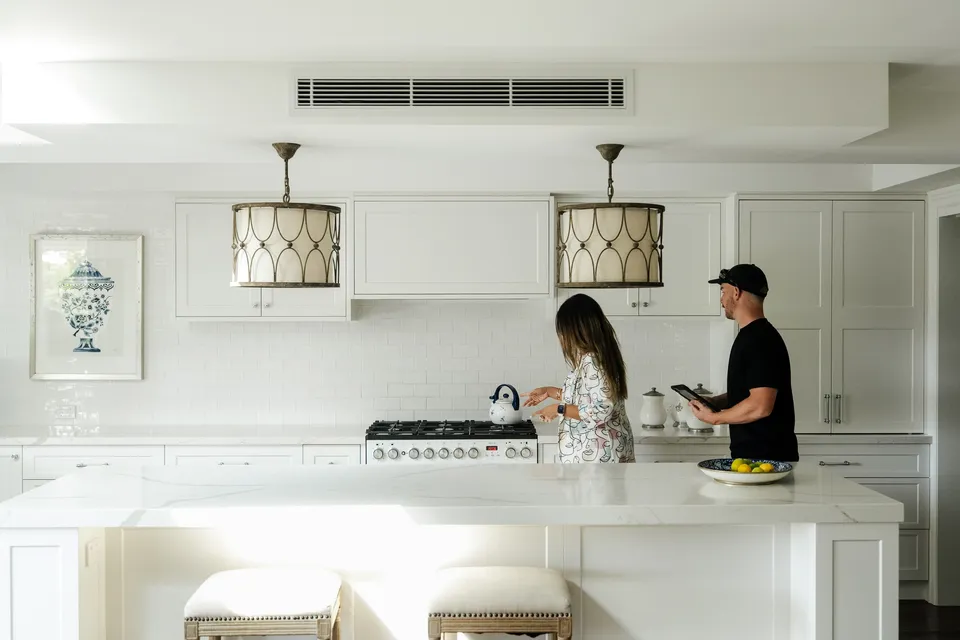
Run the dye test: stir a little food colouring through the cistern water, leave the toilet unflushed, and give it time. Colour appearing in the bowl tells you cistern water is escaping into the pan.
What the result means:
Colour in the bowl
The flush valve seal has worn through, so water slips past it between flushes.
No colour
The seal is holding, so look next at the fill valve and the water level.
Flush the colour away once you have the result. The dye will not stain a ceramic bowl.
No colouring at home? Rest a strip of dry loo paper high on the rear of the bowl, clear of the water. It should stay dry, and damp paper means water trickling down the rear of the pan, the same leaking seal.
Which Cistern Parts a Home Owner May Replace
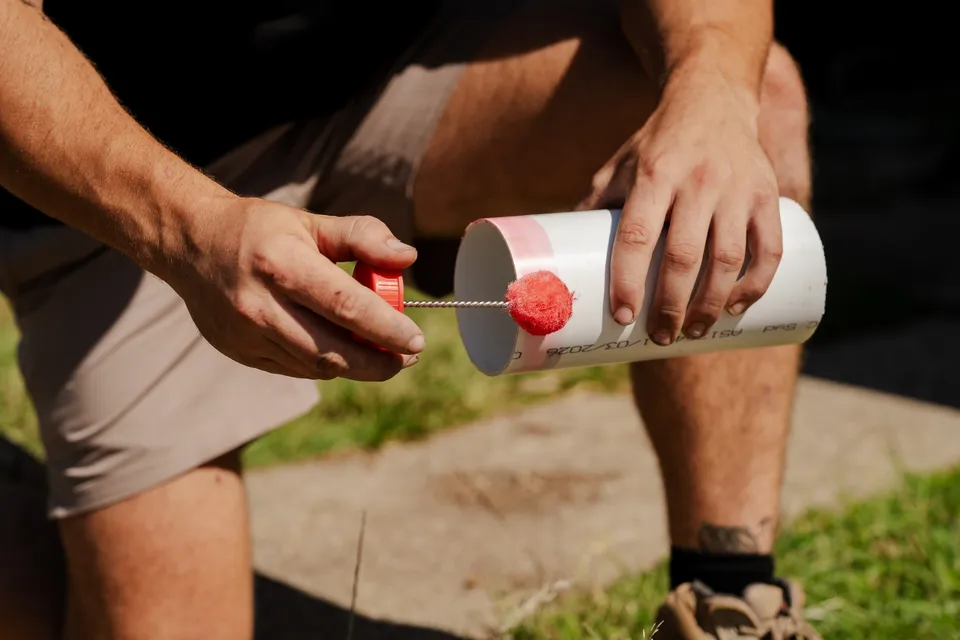
Queensland's QBCC names just three cistern parts a home owner may legally swap: the float valve washer, the drop valve washer and the suction cup rubber. A capable householder may do the swap without a licence, approval or paperwork of any kind. Whatever the result, the work has to satisfy the standards set by the legislation and codes.
Anything beyond those three washers counts as minor work, so a QBCC licensee has to do it; no permit or Form 4 is involved. Everton Park Plumbing Services handles the full repair, from valves and seals to buttons and cistern replacements.
Rentals follow their own rule. Queensland tenancy law makes the owner or manager responsible for keeping the rental in good repair, with the tenant obliged to report faults promptly. The emergency list for Queensland rentals names a toilet that is blocked or broken. A loo that simply runs on is not on that list, so the fix counts as routine and happens within a reasonable time.

Who Pays for Water a Cistern Wastes
No, the concealed leak adjustment from Urban Utilities does not extend to water a cistern wastes. Leaking taps, hot water systems and other water appliances are excluded the same way. Primary responsibility for leaks, and for the water they waste, sits with the property owner.
That bites in a suburb of mixed houses and units, where tenants often pay the usage charges. A silently leaking cistern can inflate a renter's bill for months. The dye test above settles the question in one sitting and costs nothing.
When to Call a Plumber
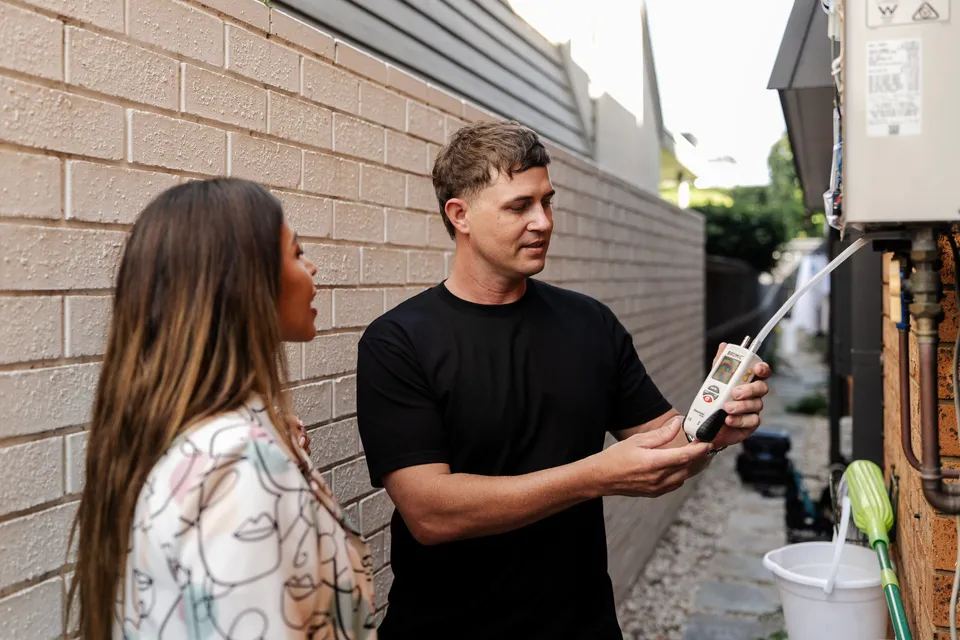
Call once the colour test or the paper check points to a leaking seal, or when the hiss has gone on for days. A cistern never heals itself, and every week it runs is water paid for and poured away.
Our toilet repairs in Everton Park page covers the full repair service, from valves and seals to base leaks and full suite replacements. Everton Park Plumbing Services is QBCC licensed, and you get a fixed quote before any work starts.
Questions About a Cistern That Runs On
Call (07) 3524 7163How can I test for a silent leak in my toilet?
Squeeze a little food colouring into your cistern, leave the loo unflushed and wait. Colour in the bowl means the cistern is leaking into the pan. Flush the colour away afterwards; the dye will not mark a ceramic bowl.
Which parts of a toilet cistern can I replace myself?
Only three, in the QBCC's own terms: the drop valve washer, the suction cup rubber and the float valve washer. A capable householder may swap them without a licence or paperwork, though the work still has to satisfy the standards. The rest of the toilet is licensed work.
What does the overflow in my cistern do?
The overflow is a safety outlet that takes surplus water out of the cistern rather than letting it flood the floor. If the fill valve will not close or the float rides high, the level reaches that outlet and drains away through it, onto your Urban Utilities bill.
What does it cost to fix a running toilet in Everton Park?
The price turns on two things: which part has given up, and how much room there is around the cistern and stop tap. You see a fixed quote before any work starts, so the figure is settled before we touch a thing.

Ring Us About That Running CisternWe'll call you back.
Ring (07) 3524 7163 and tell us what's wrong. You get $0 call-out fees, a fixed quote before any work starts and same-day where we can, 7 days a week.
To claim your $0 call-out fee, call (07) 3524 7163 today.